Skip to content
Side effects of synthetics fibers on kids
- by Nisha Singh
Introduction

Are synthetic fabrics safe for children?
Many parents don’t realize that the clothes their kids wear daily can directly affect their skin, comfort, and overall well-being. Synthetic fibers are artificial fabrics made from petrochemicals and chemical treatments. These include polyester, nylon, acrylic, spandex, and rayon.
While these fabrics are widely used because they are inexpensive and wrinkle-resistant, they may not always be the best choice for growing children — especially in warm climates like India.
Let’s understand the potential side effects of synthetic fabrics and why breathable cotton clothing is often considered a safer and more comfortable option for kids.
1. Synthetic Fabrics Can Cause Skin Irritation and Allergic Reactions 
Fibers like polyester, nylon, and acrylic can sometimes irritate sensitive skin. I personally experienced this when I wore a nylon kurta in summer and developed redness and rashes. Children have much more delicate skin than adults, making them more prone to heat rashes and itching when wearing non-breathable fabrics.
Synthetic materials tend to trap heat and sweat against the skin, which can increase discomfort, especially during hot weather.
Tip: Always check clothing labels and choose breathable fabrics like cotton for everyday wear.
2. Synthetic Fabrics May Release Chemical Residues

Some synthetic fabrics are treated with chemicals during manufacturing. In rare cases, residues from these treatments may cause irritation, especially in children who have sensitive skin or respiratory sensitivities.
While not every synthetic garment causes issues, choosing natural, breathable fabrics reduces exposure to unnecessary chemical processing.
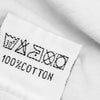
Tip: Look for 100% cotton or natural fibers when shopping for children's clothing.
3. Synthetic Fabrics Can Cause Overheating

Synthetic fabrics are generally less breathable than natural fibres. When air circulation is restricted, heat gets trapped close to the body. Children are more sensitive to temperature changes, which makes breathable fabric for children especially important in summer.
Overheating can lead to discomfort, excessive sweating, and heat rashes.
4. Synthetic Fabrics Release Microplastics

Many synthetic materials shed tiny plastic particles called microplastics during washing. While research is still ongoing about their long-term effects, reducing exposure where possible is a wise step for environmentally conscious families.
Tip: Using laundry bags designed to capture microfibers can help reduce microplastic release.
5. Some Synthetic Fabrics Melt Under High Heat

Certain synthetic materials can melt when exposed to high temperatures. Unlike natural fabrics like cotton, which may burn but not melt, some synthetic fibres can stick to the skin when overheated.
While accidents are rare, choosing safe clothing for toddlers and children adds an extra layer of peace of mind.

Cotton vs Synthetic Fabrics: What’s Better for Kids?
When it comes to everyday wear, especially in warm climates, breathable natural fabrics are often more comfortable.
| Feature | Cotton | Synthetic Fabrics (Polyester/Nylon) |
|---|---|---|
| Breathability | Highly breathable | Traps heat |
| Sweat Absorption | Absorbs Moisture | Retains sweat |
| Comfort | Soft & gentle | Can feel clingy |
| Skin Sensitivity | Ideal for sensitive skin | May cause irritation |
| Best For | Daily Wear | Occasional wear |
For many parents, cotton is considered the best fabric for sensitive skin and daily comfort.
Why Many Parents Prefer Cotton for Kids
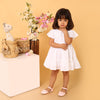
Breathable cotton dresses for kids allow proper air circulation, reduce overheating, and feel soft against delicate skin. Choosing natural fabrics is a simple way to prioritize comfort and safety in everyday clothing.
If you're looking for premium cotton dresses designed for comfort and elegance, explore our collection of breathable cotton outfits here.
https://cuddlybuddly.in/collections/dresses
Final Thoughts
As parents, we try to make informed decisions about everything our children use — from food to skincare. Clothing is no different. While synthetic fabrics are common and affordable, understanding their potential side effects helps us make better choices.
Whenever possible, choose breathable, natural fabrics that prioritize your child’s comfort.
Children especially need comfortable fabrics during active play. If you're unsure how to choose comfortable and stylish outfits for outings, read our guide on choosing the perfect playdate outfit for kids.
Perfect Playdate Outfit for Kids
Frequently Asked Questions
Is polyester bad for kids?
Polyester is widely used in clothing, but it may trap heat and sweat, which can cause discomfort in children with sensitive skin.
What is the safest fabric for toddlers?
Natural fibres like cotton are generally considered safe and breathable, especially in warm weather.
Why do kids sweat more in synthetic clothes?
Synthetic fabrics are less breathable and do not absorb moisture well, which increases sweating.
Is cotton better than polyester for kids?
For daily wear, cotton is often preferred because it is soft, breathable, and gentle on delicate skin.
- Posted in:
- breathable clothing
- cotton clothing for kids
- cotton vs polyester
- kids fabric guide
- sensitive skin kids
- synthetic fabrics